The GitHub Actions 6-hour limit, and how to run longer jobs
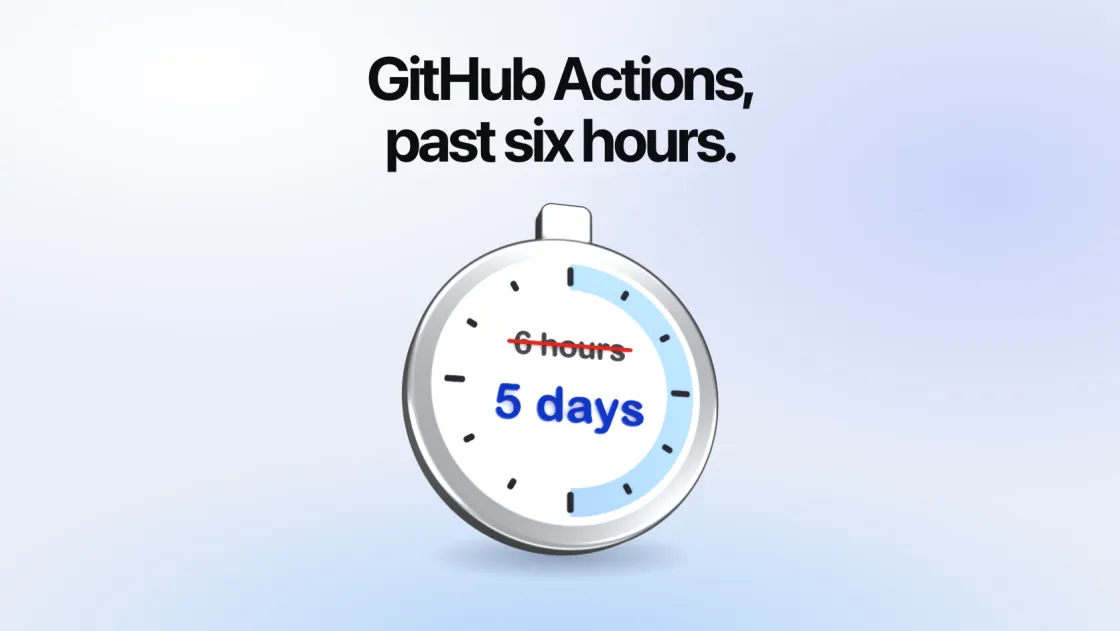
A job on GitHub's runners stops at six hours, whatever the workflow says. Here are the limits that apply, and three ways past them.
Notes on running CI jobs in your own cloud: what it costs, how it works, and what to watch for.
A job on GitHub's runners stops at six hours, whatever the workflow says. Here are the limits that apply, and three ways past them.
GitHub has the job, and no runner has taken it. Here is the short list of reasons, on GitHub's runners and on your own, and what to check for each.
There are five common ways to run GitHub Actions jobs in your own AWS account. What each runs a job on, what it keeps running, what it costs, and where it breaks.
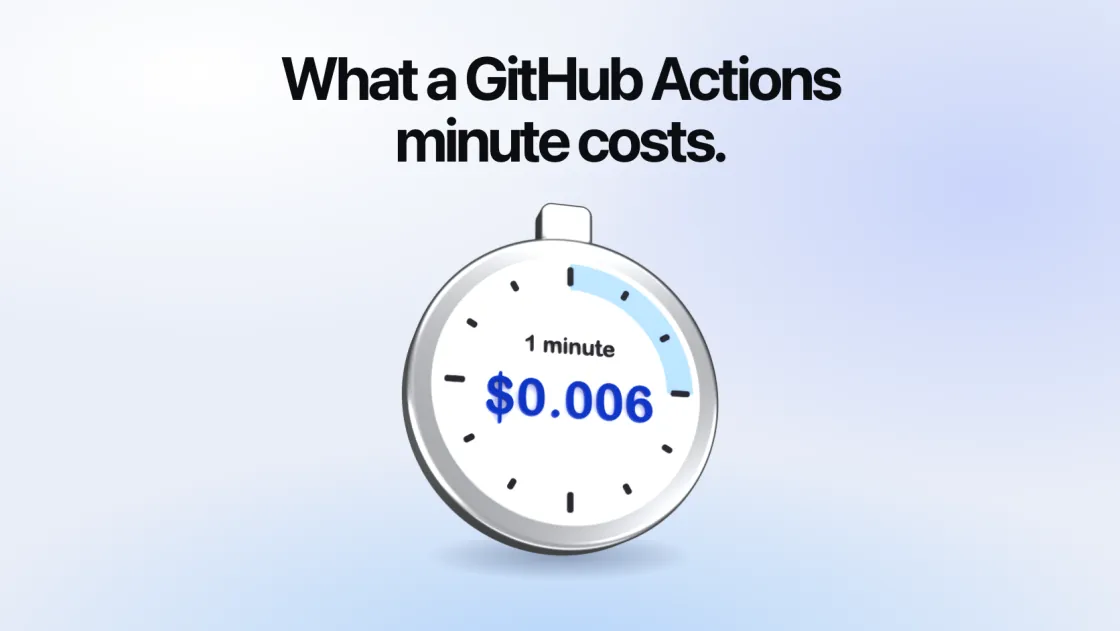
The prices changed in January, and a charge for your own runners was announced and postponed. Here is what a minute costs today, how it is counted, and how to pay less.
Most answers begin with a cluster. Here is what a clean machine for each job takes without one, and four ways to get it.
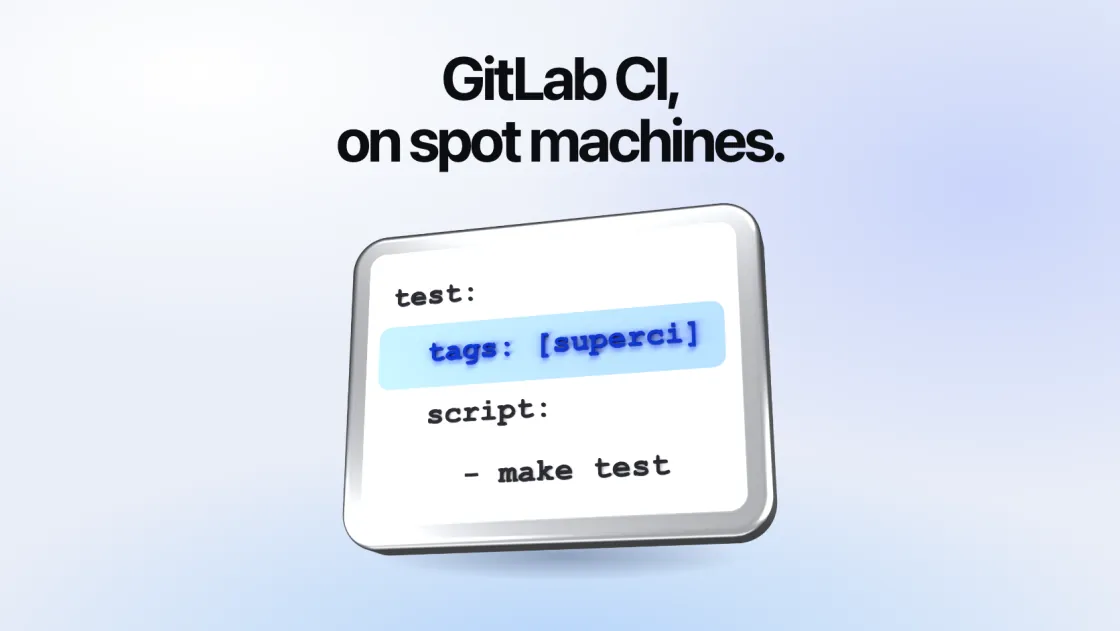
Jobs on your own runners use no compute minutes. Here is what that saves, how GitLab's own autoscaler does it, and a way with nothing to keep running.
A container that starts in seconds and is billed by the ten milliseconds is the shape of a CI job. Here is what one costs, what fits, and how to send jobs there.
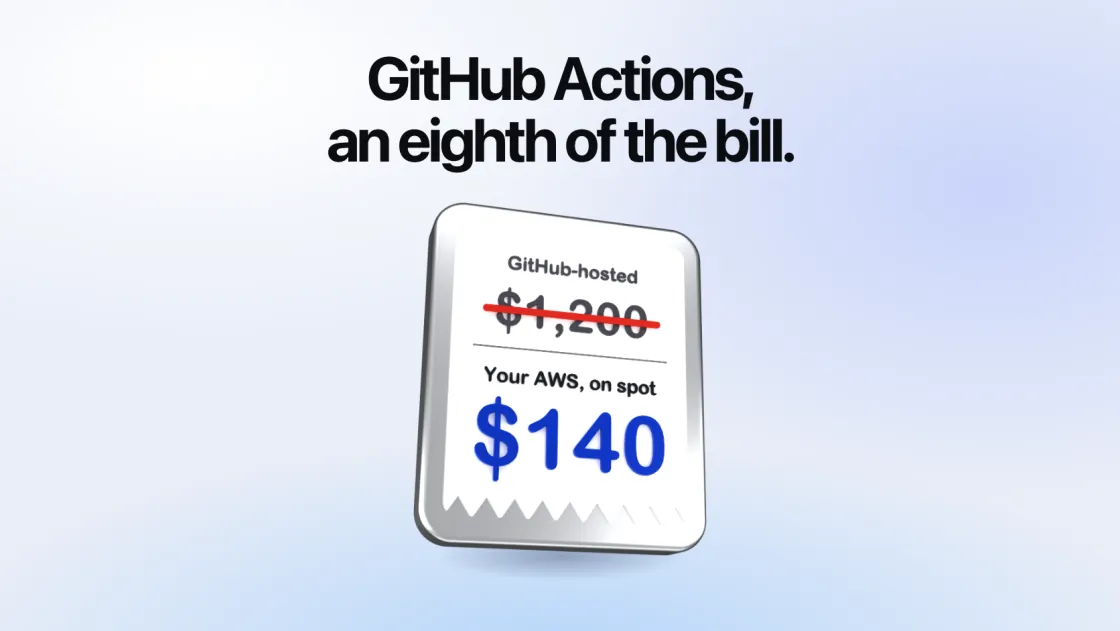
The same job costs about an eighth on a spot machine in your own AWS account. Here is the sum, what you give up for it, and how to move a workflow across.